Wet cat food pouches or cans—which format should anchor your next product range? For a private label brand, the useful comparison goes beyond appearance. You need to know how the recipe fits the pack, what reaches the feeding bowl, and which evidence supports the finished product.
Neither format proves nutritional quality. Both require an appropriate formulation, a validated preservation process, and reliable packaging. The better choice is the one that matches your feeding occasion and distribution channel without creating problems for the customer.
This guide compares wet cat food pouches with cans through practical questions that brand owners, importers, and distributors can use when reviewing samples.
Table of Contents
Wet Cat Food Pouches vs Cans at a Glance
Use this table to organize a matched comparison, not to declare a universal winner. For both formats, compare the actual finished product rather than an empty packaging sample.
| Decision point | Wet cat food pouches | Canned cat food | What the buyer should verify |
|---|---|---|---|
| Feeding occasion | Consider for portioned meals or complementary servings | Consider for single portions or shared feeding routines | Intended use, energy content, and feeding directions |
| Opening and serving | Evaluate tear opening, grip, and food release | Evaluate lid opening and spoon access | Performance with the actual recipe |
| Closure inspection | Check heat seals and pouch integrity | Check seams, ends, and container integrity | Inspection records and acceptance criteria |
| Distribution | Assess protection against puncture and abrasion | Assess protection against dents and seam damage | Finished retail pack and shipping carton |
| Shelf presentation | Review artwork on a filled, handled pouch | Review artwork around the container and label join | Legibility and product identification |
| Shelf life | Require evidence for the specified recipe and pack | Require evidence for the specified recipe and pack | Storage conditions and validation scope |
Container integrity and process control matter for both formats. The Canadian Food Inspection Agency’s guidance on commercially sterile foods in sealed containers explains why the food, container, closure, and processing conditions must be considered together.
Start With the Feeding Role, Not the Container
Before selecting wet cat food pouches, establish whether the product is intended as a complete diet, a complementary food, or a treat. A broth topper and a complete meal should not be compared as though they perform the same job.
The FDA’s explanation of complete and balanced pet food connects nutritional adequacy to the formulation or supporting feeding evidence—not to whether the food comes in a pouch or a can. Confirm the intended life stage as well.
Put the feeding role at the top of the development brief. This gives the formulator, packaging team, and label reviewer a common starting point. It also prevents a product name such as “meal” or “staple” from being treated as sufficient evidence of nutritional completeness.
Match the Recipe and Texture Before Comparing Formats
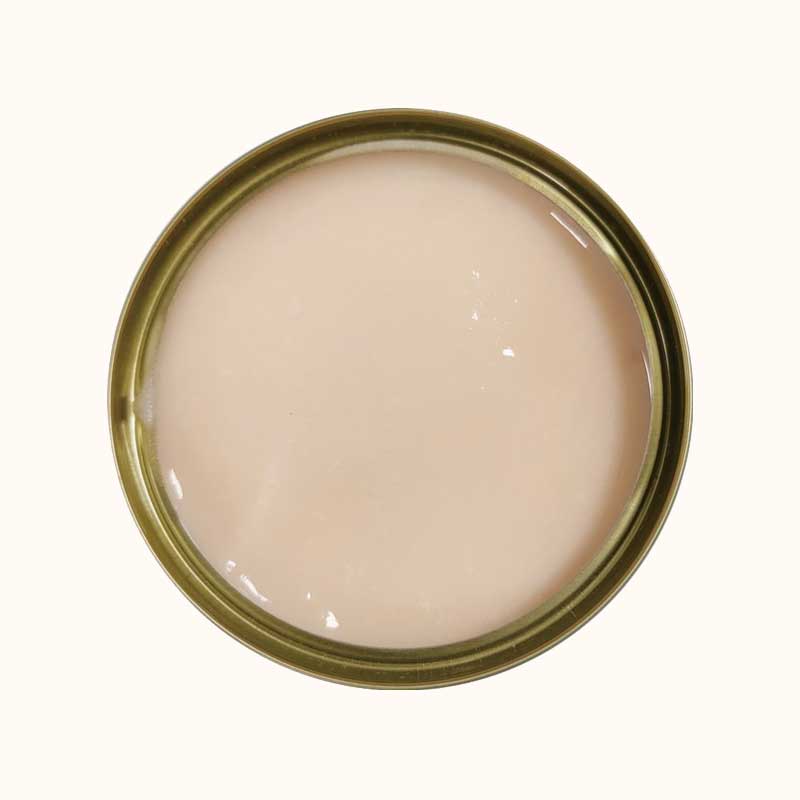
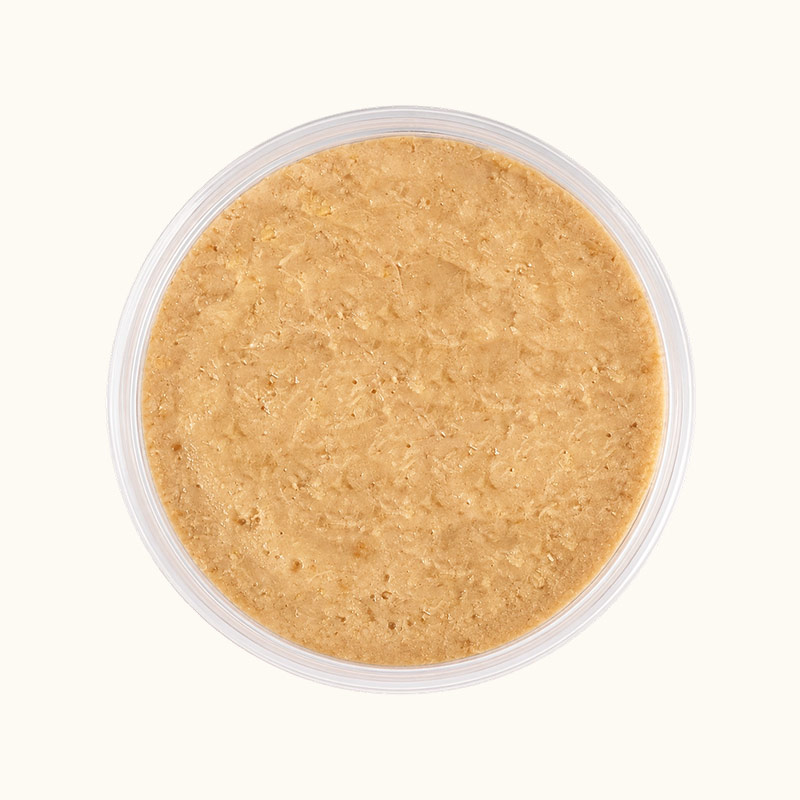
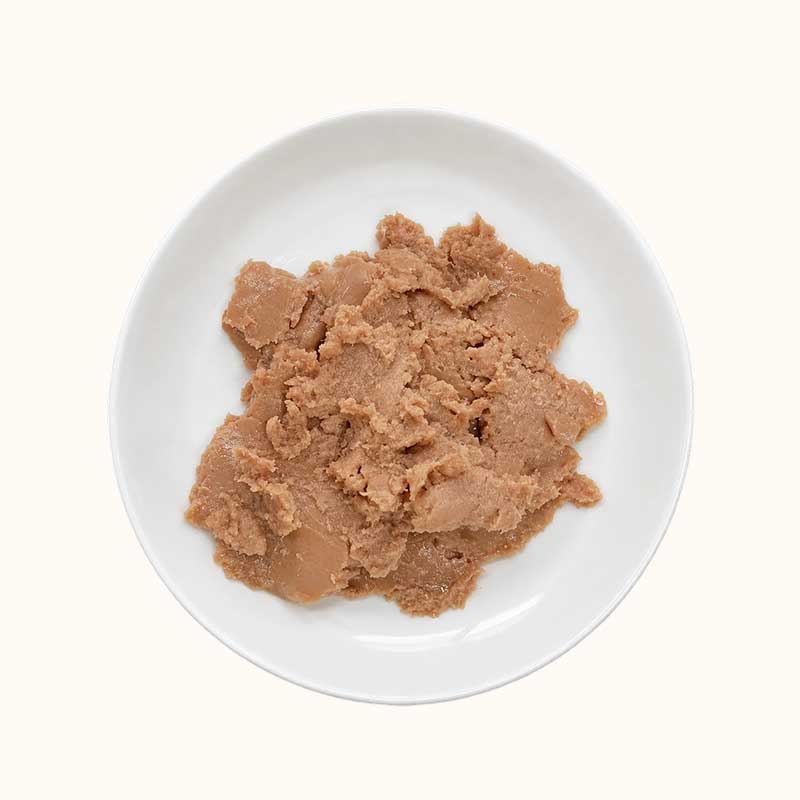
A comparison between wet cat food pouches containing shredded meat in broth and cans containing a dense pâté is also a comparison between recipes. Differences in emptying, appearance, and declared nutrients cannot automatically be attributed to packaging.
Ask for the closest practical match in texture, moisture, net content, and nutritional role. Where identical recipes are unavailable, record the differences rather than presenting the exercise as a controlled packaging trial.
Compare Nutrients on a Consistent Basis
Moisture differences affect as-fed nutrient percentages. The FDA explains how dry-matter comparisons remove water from the calculation. However, a calculation using guaranteed minimums and maximums is not an exact analysis of a production batch. Request typical analytical values when a precise comparison matters.
For wet cat food pouches, also review the complete ingredient statement rather than judging the recipe by its flavor name. AAFCO’s pet food label guidance explains the distinct roles of product names, ingredients, guaranteed analysis, and nutritional adequacy statements.
Choose Pack Size Around a Real Feeding Occasion
Do not select wet cat food pouches simply because a particular weight looks familiar. Start with the intended feeding occasion, energy content, and whether customers are expected to use the whole pack at once.
For example, a complementary topper has a different portioning purpose from a complete meal. A single-cat household may also use the same product differently from a household feeding several cats. These are scenarios to investigate, not reasons to assume every customer needs the same size.
PetProOEM’s Staple Meal Package product page lists recommended specifications of 50–120g and describes customization of recipes, textures, net weights, and packaging. Treat that range as a starting point for discussion; confirm the selected specification and its supporting documentation before artwork approval.
A useful brief for wet cat food pouches connects pack weight with the intended serving instructions, rather than leaving the packaging team to guess.
Test How Much Food Actually Reaches the Bowl
An easily overlooked question is how much food remains inside wet cat food pouches after normal serving. Instead of relying on “easy to empty,” build a repeatable usability comparison.
Use a Consistent Emptying Method
For an internal screening exercise, give each tester the same instructions, serving time, and permitted utensils. Keep sample temperature consistent. Weigh the food transferred to the bowl, then recover and weigh the food left inside the package.
A practical screening calculation is:
Food remaining (%) = residual food mass ÷ total recovered food mass × 100.
Account for spills separately and reject trials with unmeasured losses. This is a suggested usability method, not a certified test or a substitute for net-content verification.
For wet cat food pouches, observe whether pieces collect in corners, whether the opening is wide enough, and whether sauce releases before solids. For cans, observe spoon access and food left under the rim.
Separate Human Usability From Feline Acceptance
A pack that is convenient for a person does not prove that a cat prefers its contents. Record serving observations separately from feeding acceptance. When evaluating wet cat food pouches, use a professionally designed feeding assessment for palatability claims rather than a single enthusiastic tasting.
Understand Processing Before Making Shelf-Life Claims
This comparison concerns shelf-stable products, not refrigerated or frozen foods. Retort processing uses heat treatment in a sealed container to achieve commercial sterility. That is different from claiming that food contains no microorganisms under every possible condition.
The FDA’s pet food regulatory overview explains the processing controls applicable to canned pet food. CFIA guidance additionally shows why the scheduled process must correspond to the food formula and container type and size.
For wet cat food pouches, ask who is responsible for validating the product-process combination and controlling changes. Do not copy a can’s processing schedule into a pouch specification or assume a thinner pack automatically produces better nutrition.
Likewise, do not assign wet cat food pouches a standard shelf life based on format alone. Ask what evidence supports the declared period, which storage conditions apply, and whether the evidence covers the final recipe and packaging structure. Distinguish safety validation from quality observations such as texture, color, or separation.
Check Seals, Seams, and Packaging Materials
For wet cat food pouches, an attractive exterior is not proof of a reliable closure. CFIA’s flexible retort pouch defects manual identifies risks involving contaminated seals, inadequate sealing, punctures, and handling damage.
Ask the supplier to explain the agreed inspection method, defect classifications, sampling approach, and response when a closure fails. Request evidence from processed packs rather than relying only on unused pouch samples.
For cans, request the corresponding container and seam inspection records. Do not accept a general “packaging passed” statement without knowing what was inspected and which specification was used.
The material review for wet cat food pouches should identify the actual structure, including relevant food-contact layers. Ask for documentation covering the intended food and processing conditions. For cans, include the internal coating in that review. Generic descriptions such as “food grade” are a starting question, not a complete technical specification.
Make Opened-Pack Instructions Clear
Single-portion packaging does not remove the need for handling instructions. Customers may use only part of a pack, regardless of its intended serving size.
The FDA’s safe handling advice for pet food recommends promptly refrigerating or discarding unused canned and pouched food and tightly covering refrigerated leftovers. It also advises buying packages without visible damage.
For wet cat food pouches and cans alike, agree on product-specific storage wording before printing. Do not borrow an opened-storage period from an unrelated recipe. During artwork review, check whether consumers can find the instructions after opening and whether they remain legible on the handled package.
Evaluate Shipping With the Actual Retail Pack
Compare wet cat food pouches and cans as complete shipping systems. The comparison should include the food, primary pack, display box or multipack, shipping carton, and any protective inserts.
Request a case-packing sheet showing units per carton, gross mass, external dimensions, and the planned pallet arrangement. Compare equal quantities of saleable food. An empty pouch and an empty can do not provide a sufficient basis for predicting finished-shipment performance.
The International Safe Transit Association’s test procedure resources distinguish different distribution environments and testing approaches. Ask the testing provider to select an appropriate protocol for your actual route and delivery model.
For wet cat food pouches, include inspection after transit testing, not just photographs of the outer carton. Use the same principle for cans. A clean carton does not by itself establish that every food container inside remains acceptable.
Design Labels That Work After Filling and Handling
Review wet cat food pouches as physical, filled samples rather than approving artwork only on a flat screen. Check the visibility of the product name, feeding role, net content, instructions, and batch information when the pack is held normally.
For cans, review the full circumference and the label join. For multipacks, distinguish information on the outer box from information needed on individual units, with a label reviewer checking the destination market’s requirements.
AAFCO’s label guidance is a useful reference for understanding nutritional adequacy and ingredient information, but it is not a substitute for a market-specific review.
Give the designer a final, approved product specification. Avoid developing confident front-of-pack claims while the ingredient statement, life stage, or intended feeding role remains unresolved.
Keep Recycling Claims Specific and Verifiable
Do not label wet cat food pouches “eco-friendly” simply because they feel lightweight. A meaningful comparison must specify what is being measured and which packaging system is being compared.
Ask for the material composition and the evidence behind any recycling claim. Confirm whether the relevant collection and processing route exists where the product will be sold. Apply the same discipline to metal packaging rather than assuming every component is accepted everywhere.
The U.S. Federal Trade Commission’s Green Guides summary cautions against broad, unqualified environmental claims and explains why recycling claims may need qualification.
For a new product range, specific disposal guidance is more useful than an unsupported sustainability slogan. Keep environmental claims separate from food-contact suitability: one does not establish the other.
Build a Brief That Produces Comparable Supplier Samples
A productive inquiry describes the product you want to develop, not just the container you prefer. Start by reviewing the wet cat food range, then identify the closest existing product and the changes you need.
For wet cat food pouches, a concise brief should cover the following information:
| Brief section | Information to provide |
|---|---|
| Product role | Complete diet, complementary food, or treat; intended life stage |
| Recipe and texture | Protein preferences, ingredient exclusions, texture, and reference sample |
| Packaging | Preferred format, target net content, opening style, and multipack arrangement |
| Destination and channel | Intended market, retail or online distribution, and label languages |
| Verification | Requested formulation, analytical, processing, packaging, and shelf-life documents |
| Project scope | Estimated order quantity, artwork status, sample requirements, and launch window |
Confirm which details are available now and which require development. Ask the supplier to distinguish existing products from proposed changes and to identify the manufacturer responsible for the selected product.
When requesting both canned food and wet cat food pouches, use one comparison brief. Record any differences in recipe or pack size beside the sample results. This makes the next discussion about specific decisions rather than two unrelated sales presentations.
Which Format Should Your Brand Launch First?
Shortlist wet cat food pouches when your concept depends on a portioned format and the actual samples deliver the opening, emptying, and presentation you need. Shortlist cans when the tested recipe, serving routine, and container handling fit your customers better.
For a first launch, avoid adding both formats merely to make the range look larger. Ask whether the second format serves a genuinely different need and whether your team can manage its additional artwork, specifications, and approval records.
Use safety, nutritional suitability, and required documentation as pass-or-fail conditions. Only then compare usability, presentation, and distribution performance. A convenient pack cannot compensate for missing product evidence.
The strongest case for wet cat food pouches is a documented match between product, customer, and supply capability—not a general claim that pouches are superior.
Conclusion
Choosing wet cat food pouches or cans starts with a clear product role and ends with verified samples. Compare equivalent recipes, test serving performance, and confirm the packaging and documentation before committing to a format.
PetProOEM offers product development, private label, packaging customization, and export support. Contact PetProOEM with your product brief to discuss the intended feeding role, preferred texture, pack size, and destination market, and request suitable sample options for comparison.
FAQ
Are wet cat food pouches better than cans?
Neither is automatically better. Compare the food’s nutritional role and supporting evidence first, then evaluate the actual pack’s opening, serving, and distribution performance. A well-matched pouch or can can be appropriate; the format alone does not establish product quality.
Can a pouch contain a complete cat food diet?
Yes, but completeness depends on the formulation and its supporting nutritional adequacy evidence. Check the intended life stage and label statement. Do not assume that all pouched foods are complete diets, since complementary products and treats can use similar packaging.
Do wet cat food pouches last as long as cans?
There is no reliable format-wide answer. Compare the declared shelf life and supporting evidence for the specific recipes and containers. Storage conditions and package integrity matter. Once opened, follow the product’s handling instructions rather than its unopened shelf-life date.
What pouch size should a private label brand choose?
Choose around the intended feeding occasion, energy content, and serving directions. PetProOEM lists 50–120g as recommended specifications for its Staple Meal Package, but the selected weight, recipe, availability, and packaging details need confirmation for the project.
What should I send when requesting samples?
Provide the intended product role, life stage, target market, preferred ingredients and texture, pack format, target weight, and estimated order quantity. Explain whether you want existing products or a custom development, and list the documents needed to evaluate the samples.