Pet product sourcing becomes much easier when buyers stop treating supplier selection as a catalog exercise and start treating it as a controlled project. A good sourcing process connects the target market, product specification, sample, packaging, quality requirements, documentation, production responsibilities, and shipment plan before the purchase order is approved.
This is particularly important in the pet industry because different categories create different risks. Wet cat food and dog treats involve ingredients, nutritional or analytical information, labeling, shelf life, and food-safety controls. Cat litter involves material composition, clumping, dust, tracking, fragrance, and packaging. Pet toys involve material identity, dimensions, intended use, mechanical risks, chemical testing, and construction.
This guide provides a cross-category pet product sourcing checklist for importers, distributors, retailers, and private label brands. It is designed to help buyers compare suppliers on the same basis, reduce assumptions during sampling, and build a clearer path from product brief to repeat order.
Table of Contents
Start Pet Product Sourcing With the Market, Not the Supplier Catalog
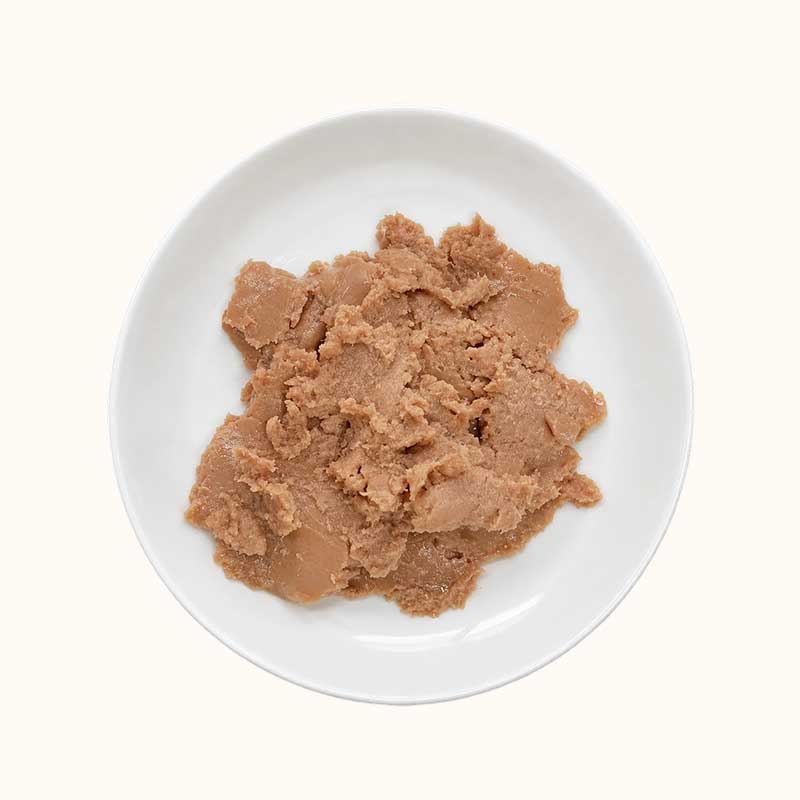
The first decision in pet product sourcing should be where and how the product will be sold. Target market, sales channel, customer profile, and product role determine many of the later sourcing requirements.
A wet cat food SKU for supermarket distribution may need a different package format, label structure, case configuration, and order forecast from a direct-to-consumer trial product. A cat litter bag intended for large-format retail may require different pack size and pallet planning from an e-commerce product. A dog toy sold through a specialty chain may need specific retailer testing or packaging requirements.
Before contacting suppliers, define:
- target country or region;
- intended sales channel;
- target customer;
- product positioning;
- expected first-order quantity;
- forecast if available;
- required launch window;
- key compliance or retailer requirements already known.
This gives the supplier context for the project instead of forcing them to guess what “custom pet product” means.
Separate the Product Category From the Customization Request
A strong pet product sourcing brief begins with a clear category and then defines what needs to be customized.
PetProOEM currently focuses on four main product directions: wet cat food, cat litter, dog treats, and pet toys. The current service page describes customization involving formulas, specifications, materials, flavors, labels, packaging, cartons, and selected product combinations.
That does not mean every option applies identically to every SKU. Formula changes are relevant to food and treats, fragrance may matter for litter, and material or dimensional changes are more relevant to toys.
For pet product sourcing, write the customization request at product level rather than using one broad sentence such as “We need full OEM.”
Decide Whether You Need Private Label, ODM, or Buyer-Defined OEM
The terms OEM, ODM, and private label are used differently across suppliers, so a pet product sourcing project should define responsibilities instead of relying on the acronym.
Private label often starts from an existing product and adds the buyer’s brand and packaging. ODM usually starts from a supplier-developed product, formula, or concept that can be modified. A more buyer-defined OEM project may start from the buyer’s formula direction, drawing, reference sample, technical specification, or detailed acceptance criteria.
The important questions are:
- What already exists?
- What will the buyer define?
- What must the supplier develop?
- What changes require a new sample?
- Who approves formula, material, dimensions, artwork, testing, and packaging?
- Who owns drawings, molds, artwork, formulas, or other development assets?
PetProOEM’s OEM and ODM services describe requirement confirmation, sample making, quotation, production, inspection, packaging, and shipment. Buyers should add their product-specific acceptance criteria to that process.
Build One Written Product Specification
The central document in pet product sourcing should be a written product specification. It should describe the product clearly enough that sampling, quotation, production, inspection, and repeat orders all refer to the same requirements.
| Category | Important Specification Fields |
|---|---|
| Wet cat food | Nutritional role, life stage, formula, ingredients, texture, analysis, package, net weight |
| Dog treats | Protein source, full ingredient list, analysis, size, texture, moisture, package |
| Cat litter | Material, blend, particle specification, fragrance, clumping, dust, package weight |
| Pet toys | Material, dimensions, weight, construction, intended use, color, components, testing |
A specification should distinguish fixed requirements from preferences. If the buyer requires a certain life-stage claim or material, mark it as mandatory. If fragrance or color can change, mark it as flexible.
Verify the Legal Entity and Actual Supply Relationship
Supplier identity is a basic but often overlooked part of pet product sourcing. Buyers should know which legal entity is signing the contract, issuing the invoice, coordinating production, and handling export documentation.
They should also understand the manufacturing relationship for the selected product. Is production carried out directly, through a contract manufacturer, through a partner factory, or through another supply arrangement?
This matters because capability can differ by category. A supplier supporting wet food, litter, treats, and toys may use different production resources for each product family.
Ask for the legal business name, business registration information, production-site information relevant to the selected SKU, and the party responsible for quality and shipment. The goal is not to demand that every supplier own every factory; the goal is transparency about who does what.
Use Samples as Controlled Approval References
Sampling is one of the most important stages in pet product sourcing. A sample should not be treated as a casual demonstration. It should become a controlled reference linked to the written specification.
Each sample should have a code or version number. Record what formula, material, size, color, packaging, or construction it represents.
For food and treats, review formula identity, ingredients, texture, appearance, analysis, pack condition, and nutritional or feeding role. For cat litter, review material, particle distribution, fragrance, dust, clumping, tracking, and packaging. For toys, review material, dimensions, construction, molded details, components, function, and test requirements.
If the sample changes, issue a new version. Do not approve “the latest sample” without traceability.
Compare Suppliers Using the Same RFQ
A common pet product sourcing mistake is sending different information to different suppliers and then comparing the final quotations.
One supplier may quote a standard product with standard packaging, while another quotes a customized formula, new printed packaging, extra testing, and additional documents. The final numbers cannot be compared fairly if the scope is different.
Send every shortlisted supplier the same RFQ structure. Include:
- product specification;
- target market;
- expected quantity;
- packaging requirements;
- branding scope;
- sample requirements;
- testing requirements;
- quality checkpoints;
- document requirements;
- delivery basis and destination.
Then ask suppliers to identify assumptions, exclusions, and optional items in writing.
Do Not Let MOQ Drive the Entire Product Decision
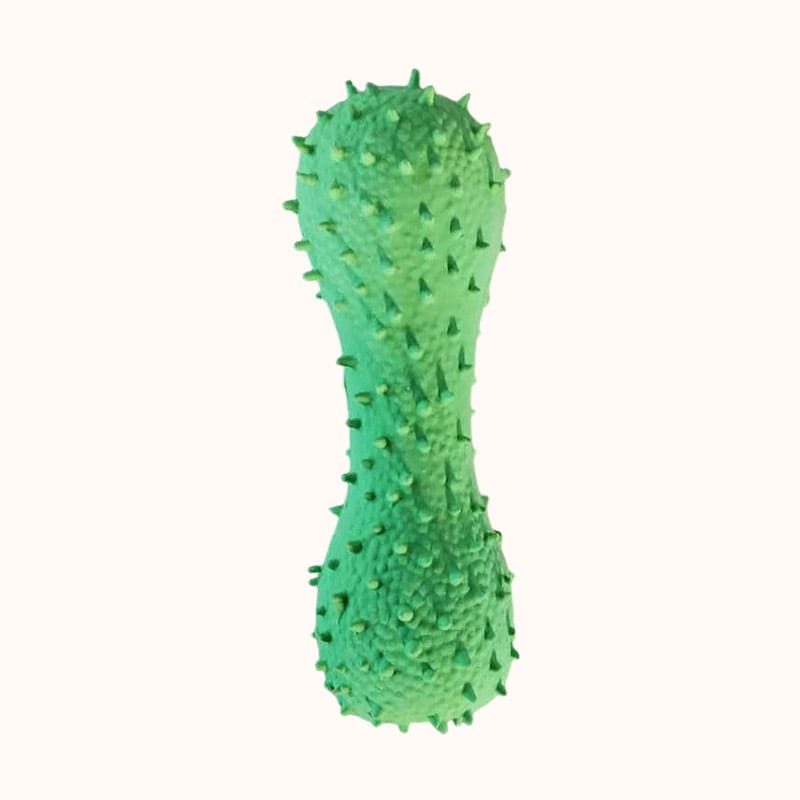
MOQ is important in pet product sourcing, but it should be understood as the result of several production constraints rather than a single universal number.
The minimum can be driven by formula batching, packaging print runs, labels, cartons, molds, colors, materials, production-line setup, or shipment configuration.
Ask which component creates the minimum. If printed packaging is the limiting factor, a label-on-stock-package solution might support a smaller trial. If a custom mold is the constraint, an existing product shape may be more suitable for the first order.
Do not publish or assume one MOQ across all PetProOEM categories unless it has been confirmed for the exact project.
Review Claims Before Packaging Design Is Final
Claims create both marketing value and sourcing risk. A disciplined pet product sourcing process checks claims against the actual product before artwork is approved.
Examples include:
- complete and balanced;
- single ingredient;
- grain free;
- preservative free;
- low dust;
- flushable;
- biodegradable;
- dental;
- indestructible;
- hypoallergenic;
- non-toxic;
- food grade;
- safe for all dogs.
Each claim needs its own basis. A product name does not prove nutritional adequacy. A meat-led treat is not automatically single ingredient. Tofu content does not make a tofu-bentonite litter fully plant based. A textured dog toy does not automatically provide proven dental benefits.
Match Compliance Requirements to Product and Market
There is no single global compliance package for pet product sourcing. Requirements differ by product category and destination market.
For U.S.-market animal food, buyers can review the U.S. Food and Drug Administration’s pet food information. For product-safety background relevant to consumer products, buyers can consult the U.S. Consumer Product Safety Commission’s business guidance.
For EU chemical obligations relevant to certain pet products and materials, buyers can review the European Chemicals Agency’s REACH information.
The important sourcing question is not “Do you have all certifications?” but “Which legal, retailer, laboratory, and document requirements apply to this exact SKU in this target market?”
Separate Facility Documents, Product Tests, and Batch Documents
A good pet product sourcing document package separates different types of evidence.
| Document Type | What It Tells the Buyer |
|---|---|
| Business/facility document | Who the company or production site is and what systems may apply |
| Product specification | What the approved SKU is supposed to be |
| Laboratory report | What was tested, by which method, and what result was obtained |
| Batch or COA document | Information linked to a specific production lot |
| Inspection report | What was checked before shipment |
| Shipping document | Commercial and logistics information for the shipment |
One type of document should not be used as a substitute for another. A factory certificate does not prove the performance of every finished product. A test report for one material does not automatically cover every customized color or SKU.
Define Quality Control Before Production
Quality control works best when the acceptance criteria are written before production begins. In pet product sourcing, the inspection standard should reflect the actual product.
For wet food, controls may include formula version, fill weight, seal integrity, processing records, label accuracy, microbiology where required, and lot coding. For dog treats, controls may include ingredients, size, texture, moisture, analysis, package seal, and traceability. For cat litter, controls may include blend, particle size, dust, clumping, fragrance, bag weight, and seal integrity. For pet toys, controls may include material, dimensions, weight, molding quality, detachable parts, components, and test evidence.
Define which defects are critical, major, and minor where appropriate. A wrong formula or wrong label is not equivalent to a minor cosmetic packaging defect.
Approve Packaging as Part of the Product
Packaging is not an afterthought in pet product sourcing. It affects product protection, labeling, retail presentation, shipping efficiency, and consumer use.
Buyers should confirm:
- primary packaging material;
- net content or quantity;
- package dimensions;
- opening and reclosure features;
- print method;
- artwork version;
- barcode;
- language;
- retail pack configuration;
- outer carton;
- shipping marks;
- palletization where required.
PetProOEM’s service page currently describes packaging formats including pouches, bags, jars, boxes, labels, barcodes, multilingual labels, and carton design. Buyers should confirm which formats apply to the selected SKU.
Control Artwork With Version Numbers
Artwork errors are common because multiple teams may edit the same file during pet product sourcing. Marketing changes the front panel, procurement changes the package size, compliance changes the ingredient or warning text, and the supplier adjusts print dimensions.
Use version-controlled artwork files. The final purchase order should identify the approved artwork version.
If the formula, material, product size, net content, claim, test result, importer information, or barcode changes, review whether the artwork also needs revision.
Clarify Ownership and Exclusivity Before Paying for Development
Custom development can involve formulas, molds, drawings, artwork, packaging designs, photographs, test reports, and other assets. Pet product sourcing agreements should state who owns or can use those assets.
Paying for a mold does not automatically answer every ownership question. A customized formula does not automatically become exclusive. A private label package does not necessarily prevent the underlying standard product from being sold elsewhere.
If exclusivity matters, define the product, territory, duration, quantity commitment, and exceptions in writing.
Plan Change Control for Repeat Orders
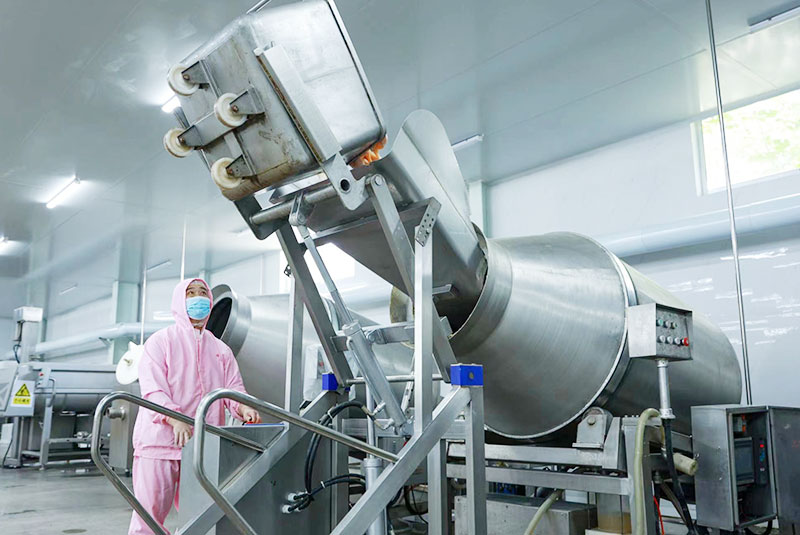
The first order is only one stage of pet product sourcing. Repeat orders need controls to prevent unapproved changes.
Ask the supplier to notify the buyer before changing:
- formula or ingredient;
- raw material;
- material grade;
- color formulation;
- production site;
- mold or construction;
- package material;
- label or carton;
- test method;
- critical process parameter.
A small supplier-side substitution can affect labeling, performance, shelf life, testing, or consumer experience.
Do Not Evaluate Suppliers Only on the Lowest Quote
A low quotation can be attractive, but pet product sourcing decisions should compare the entire supported scope.
One proposal may include a validated sample, custom packaging, product testing, inspection, and documentation. Another may include only the physical product. Comparing unit numbers without comparing scope creates false savings.
Evaluate supplier proposals on:
- specification fit;
- sample quality;
- evidence and documentation;
- communication accuracy;
- change-control process;
- quality controls;
- packaging capability;
- production consistency;
- shipment support;
- commercial terms.
Use a Supplier Scorecard for Final Selection
A supplier scorecard makes pet product sourcing decisions easier to explain and repeat.
| Evaluation Area | Example Buyer Check |
|---|---|
| Product fit | Can the supplier meet the written specification? |
| Sample | Does the sample match the intended product? |
| Evidence | Are claims supported by relevant documents or tests? |
| Quality | Are production and inspection controls defined? |
| Packaging | Can the required retail and shipping pack be produced? |
| Communication | Are questions answered specifically rather than generically? |
| Change control | Will material or process changes require buyer approval? |
| Export support | Can the required shipment documents be coordinated? |
A scorecard does not need complicated mathematics. Its purpose is to prevent one attractive feature—such as a low quote or attractive sample—from hiding weak documentation or unclear production control.
Pet Product Sourcing Checklist Before the Purchase Order
Before placing an order, use this pet product sourcing checklist to confirm the following:
- Supplier identity: legal entity and relevant production relationship are understood.
- Target market: destination and sales channel are defined.
- Product specification: exact formula, material, dimensions, format, or blend is documented.
- Sample: approved sample has a traceable code.
- Claims: packaging claims have supporting evidence.
- Testing: the test scope applies to the exact SKU.
- Packaging: primary pack, retail pack, carton, barcode, and artwork are approved.
- Quality plan: inspection points and acceptance criteria are defined.
- Documents: product, batch, market, and shipment requirements are listed.
- Quantity: order quantity and any component-specific minimums are confirmed.
- Ownership: mold, formula, design, artwork, or exclusivity terms are clear where relevant.
- Change control: supplier-side changes require agreed notification or approval.
- Shipment: destination, packing, logistics basis, and required shipping documents are clear.
PetProOEM buyers can review the current product categories and send a sourcing brief with the target product, market, customization, packaging, testing, and expected quantity.
Common Pet Product Sourcing Mistakes
The first mistake is choosing a supplier before defining the product.
The second is using a catalog name as the full specification.
The third is comparing quotations that cover different scope.
The fourth is approving a sample without a version-controlled written specification.
The fifth is treating one test report as evidence for every product in a category.
The sixth is designing claims before the formula, material, or performance is verified.
The seventh is waiting until shipment to discuss documents.
The eighth is assuming one MOQ, lead-time structure, or customization capability applies to every product line.
Conclusion
Professional pet product sourcing is a process of reducing assumptions. The buyer should know what product is being purchased, which supplier entity is responsible, what specification controls production, what sample was approved, which claims are supported, which tests apply, how packaging is controlled, and what documents are required before shipment.
Across wet cat food, dog treats, cat litter, and pet toys, the technical details differ, but the sourcing principle remains the same: turn commercial ideas into written, measurable, traceable requirements.
If you are preparing a new pet product program, use PetProOEM’s OEM/ODM service process as a starting framework and submit your product brief with the target market, product category, specification, packaging, expected quantity, and evidence requirements.
FAQ
What information should I prepare before pet product sourcing?
Prepare the target market, product category, written specification, quantity range, packaging requirements, sample expectations, testing needs, documentation requirements, and shipment destination. The more clearly these are defined, the easier supplier proposals are to compare.
Should I choose OEM, ODM, or private label?
Choose based on how much of the product already exists and how much development your brand needs. Private label often starts from an existing product, ODM from a supplier-developed platform, and OEM from a more buyer-defined specification. Always define the actual responsibilities in writing.
How should I compare pet product suppliers?
Send the same RFQ to each supplier and compare specification fit, sample quality, testing evidence, quality controls, packaging, communication, change management, documents, and commercial scope rather than comparing only the lowest quotation.
Do all pet products need the same compliance documents?
No. Requirements depend on the product category, material or ingredients, claims, destination market, importer, retailer, and sales channel. Food, litter, and toys can require very different evidence.
What is the most important document in a sourcing project?
The written product specification is the central reference because it connects the approved sample, quotation, production, inspection, packaging, and repeat orders. It should be version controlled and linked to the final SKU.