For a pet brand, choosing between OEM vs ODM pet products is not simply a choice between “custom” and “ready-made.” The real decision is about how much of the product already exists, which specifications the buyer controls, what the supplier is expected to develop, and who approves each step before production.
This distinction matters because a wet cat food pouch, a dog jerky treat, a bag of cat litter, and a dog toy do not move through product development in exactly the same way. Formula-based products may require nutritional, ingredient, processing, and labeling decisions. Cat litter involves material composition, particle characteristics, scent, clumping performance, dust, and packaging. Pet toys may involve material selection, dimensions, structure, intended use, and market-specific testing. Calling all of these projects “OEM” does not make their responsibilities identical.
For private label buyers, the most useful way to approach OEM vs ODM pet products is to define the project in measurable terms before discussing production. This guide explains how to do that, how private label fits into the picture, and what information should be confirmed for different pet product categories.
Table of Contents
What Do OEM, ODM, and Private Label Mean in Pet Product Sourcing?
There is no single commercial definition that every supplier uses in exactly the same way. In practice, the terms describe different starting points and different levels of development responsibility.
OEM, or original equipment manufacturing, usually describes a project in which the buyer brings a defined product requirement, specification, formula direction, drawing, reference sample, packaging standard, or other technical brief and asks the supplier to produce according to the agreed requirements.
ODM, or original design manufacturing, usually starts from a supplier-developed product, formula, structure, or product concept. The buyer selects or modifies available options and then adds its own branding, packaging, assortment, or selected product changes.
Private label typically refers to selling a product under the buyer’s brand. A private label project can be very simple, such as applying a buyer’s label to an available product, or it can include more extensive customization. This is why “private label” should not automatically be treated as a technical manufacturing model.
When evaluating OEM vs ODM pet products, the terminology is less important than the written scope. A quotation should make clear what already exists, what must change, what requires development, what the buyer supplies, and what the supplier will confirm.
| Model | Typical Starting Point | Buyer Usually Defines | Main Risk to Clarify |
|---|---|---|---|
| ฉลากส่วนตัว | Existing or available product | Branding, label, packaging, SKU selection | Assuming the product is exclusive when it is not |
| ODM | Supplier-developed product or concept | Selected modifications, packaging, branding, assortment | Unclear limits on what can be changed |
| OEM | Buyer-defined specification, formula, drawing, or sample | More detailed technical and commercial requirements | Incomplete specifications causing different production interpretations |
Why the OEM vs ODM Pet Products Decision Should Start With the Product Brief
Many sourcing problems begin because the first inquiry is too broad. In an OEM vs ODM pet products project, that ambiguity can affect sampling, quotations, specifications, and approval responsibilities. A buyer asks for “custom cat food,” “OEM dog treats,” “private label cat litter,” or “custom dog toys,” but provides no technical definition of the intended product. The supplier then has to guess what “custom” means.
A useful product brief turns a general request into a comparable sourcing project. For OEM vs ODM pet products, a strong brief should identify the category, target market, sales channel, intended product role, preferred format, packaging format, branding requirements, expected customization, and the evidence required before approval.
For example, a buyer considering private label wet cat food should specify whether the product is intended as a complete food, complementary food, topper, snack, or another defined feeding role. A buyer sourcing cat litter should identify whether it is evaluating tofu litter, bentonite litter, or a mixed material system, rather than simply requesting “the best cat litter.”
The product brief is also the point where a buyer should separate essential requirements from preferences. A required package format is not the same as a preferred fragrance. A regulated label statement is not the same as a marketing slogan. This distinction makes supplier replies easier to compare.
OEM vs ODM Pet Products for Wet Cat Food
Wet cat food illustrates why manufacturing labels alone are not enough. For OEM vs ODM pet products in this category, the starting formula and nutritional role should be identified before customization is discussed. A project may involve an existing formula in an available pouch, can, cup, or other package, or it may require adjustments to protein source, texture, nutritional role, net weight, packaging, and label information.
In an ODM-style project, a buyer might begin with an available formula and package format, then choose from feasible protein sources, textures, sizes, labels, cartons, or product combinations. In a more buyer-defined OEM project, the buyer may provide a detailed nutritional target, ingredient requirements, reference formula, texture specification, packaging requirements, and acceptance criteria that need technical review before sampling.
PetProOEM’s current OEM and ODM service page states that formula details, product specifications, packaging, labels, outer cartons, flavors, and selected materials can be customized depending on the project. However, buyers should still confirm feasibility for the exact product rather than assuming every option applies to every SKU.
Define the nutritional role before discussing claims
A wet food product should not be called “complete,” “balanced,” “for all life stages,” or similar simply because of its package type or product name. Those statements depend on the formula, nutritional basis, intended market, and supporting documentation. In the United States, animal food labeling and claims are subject to regulatory requirements; buyers can review the U.S. Food and Drug Administration’s pet food information when evaluating U.S.-market requirements.
For OEM vs ODM pet products in the food category, the buyer should ask: Is the starting formula already defined? Which ingredients may be adjusted? What nutritional documentation is available? What label statements are supported? Which changes require a new sample or additional evaluation?
OEM vs ODM Pet Products for Dog Treats
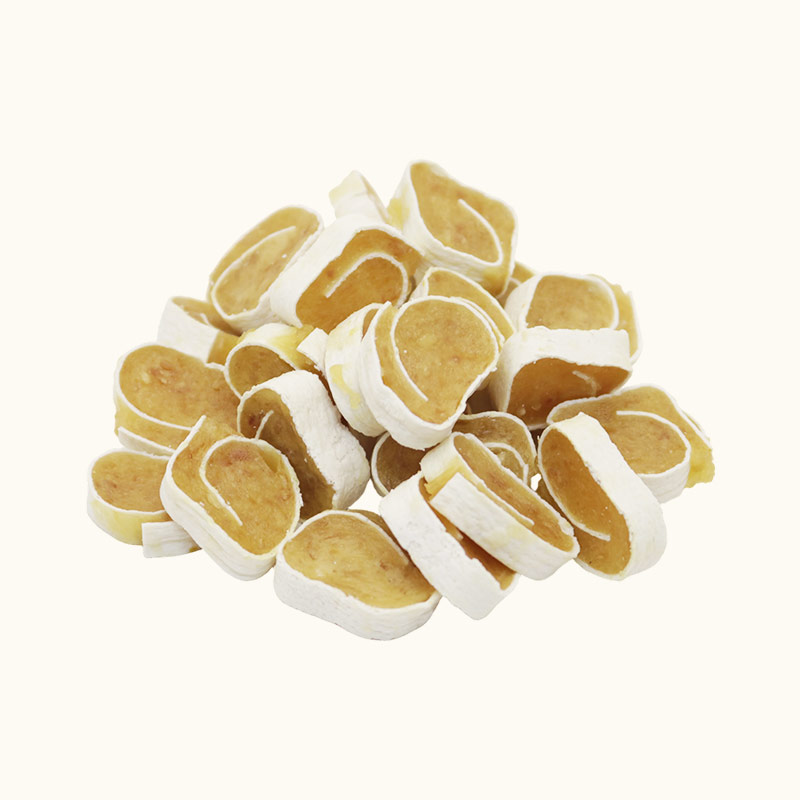
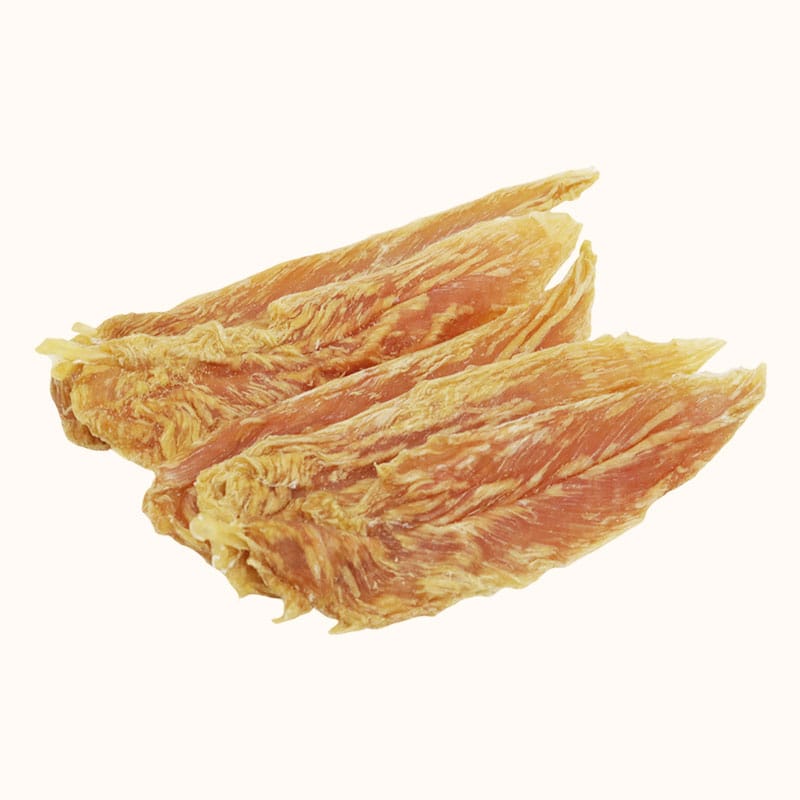
Dog treats often look straightforward, but small changes can materially change the product specification. That makes OEM vs ODM pet products terminology useful only after the recipe and production scope are defined. Meat source, secondary ingredients, moisture target, shape, thickness, texture, size, drying or cooking process, package format, and label claims all need to align.
An ODM route may start with an existing chicken, duck, beef, fish, or composite treat format that can accept approved changes in flavor, size, packaging, or branding. An OEM-style project may begin with a buyer-defined ingredient list, target shape, physical dimensions, analytical requirements, packaging configuration, or reference product.
Buyers should not assume that a meat name in a product title makes a treat single-ingredient. For example, a jerky product may contain meat plus binders, humectants, starches, salts, or preservatives depending on the actual recipe. This is why ingredient statements must be reviewed at SKU level before marketing claims are written.
The same principle applies to claims such as “grain free,” “preservative free,” “single ingredient,” “high meat,” “dental,” or “hypoallergenic.” In an OEM vs ODM pet products project, the supplier and buyer should separate product composition from marketing language and confirm which claims can be supported for the intended market.
Buyers developing this category can review PetProOEM’s current dog treat range as a starting point for discussing meat source, product format, specification, and packaging.
OEM vs ODM Pet Products for Cat Litter
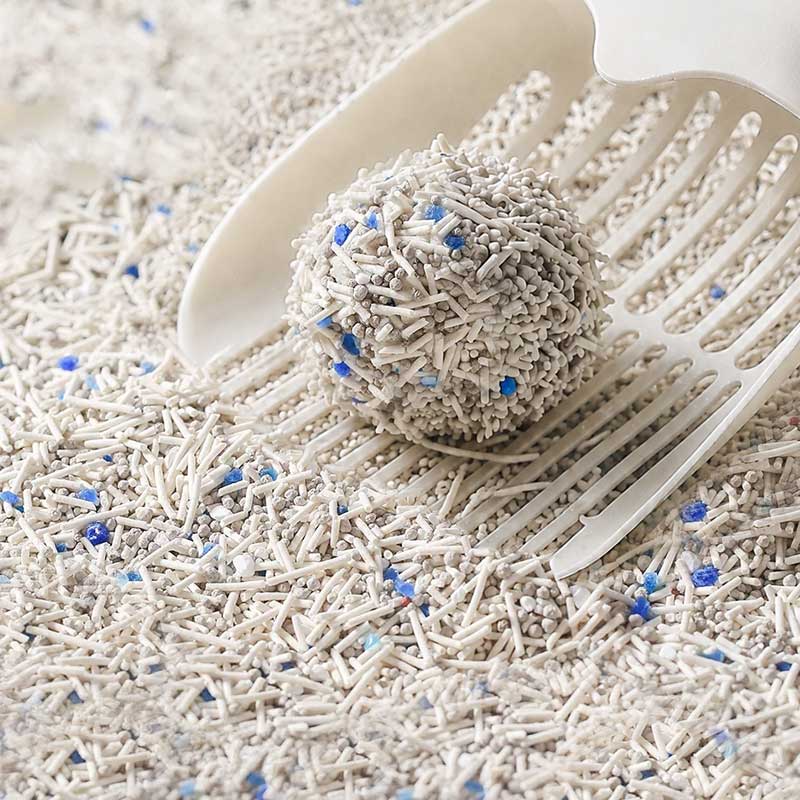
Cat litter sourcing is driven by material and performance specifications rather than nutrition, but the same project-definition principle applies. Buyers comparing OEM vs ODM pet products should first define the material system and the sample tests they expect. Tofu cat litter, bentonite cat litter, and mixed cat litter can behave differently depending on raw materials, formulation, particle structure, moisture, fragrance, packaging, and production controls.
An ODM project may begin with an available tofu or mixed litter formulation and allow selected changes to fragrance, packaging size, bag design, labeling, or other confirmed attributes. A more defined OEM project might specify material composition, physical specification, scent requirement, packaging structure, and measurable sample acceptance criteria.
For cat litter, buyers should avoid comparing supplier claims without a common method. “Low dust,” “fast clumping,” “strong odor control,” and “low tracking” are useful commercial objectives, but they are not meaningful procurement specifications unless both sides agree on how samples will be evaluated.
When comparing OEM vs ODM pet products in this category, a buyer should ask for the exact material description and should not assume that “mixed litter” has a standard tofu-to-bentonite ratio. If a supplier has not published a blend ratio, it should be treated as project-specific information to confirm.
OEM vs ODM Pet Products for Dog Toys
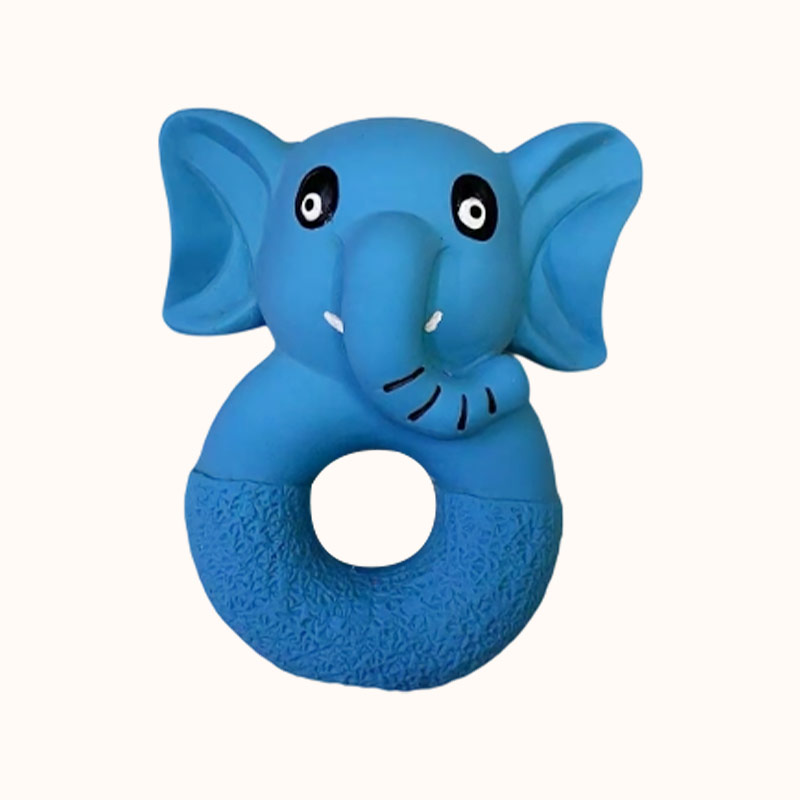
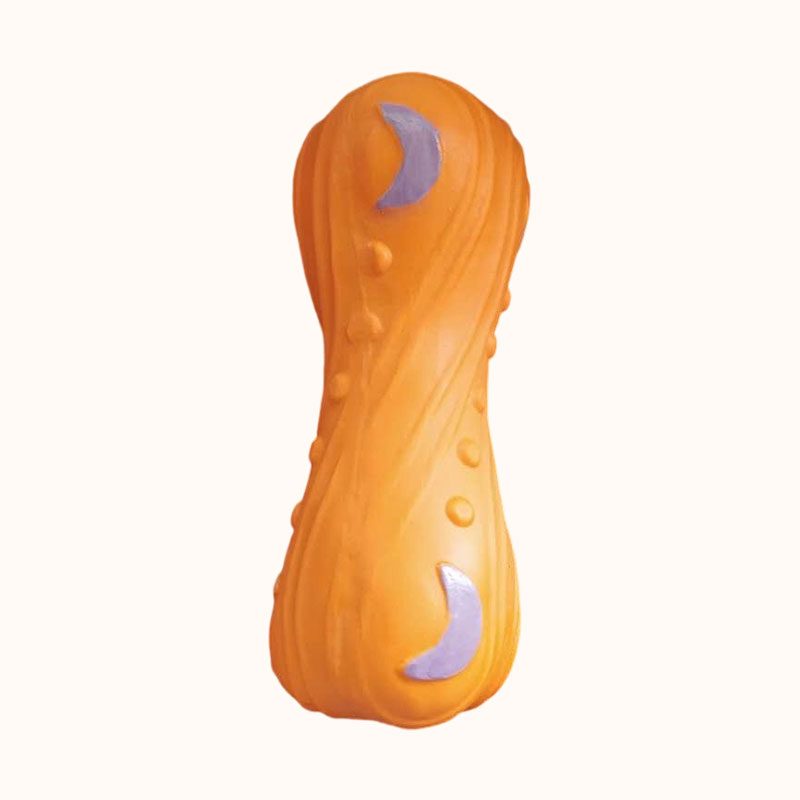
Dog toys require another type of specification discipline. In OEM vs ODM pet products, toy development can move from simple branding changes to new dimensions, structures, or tooling, so the scope must be explicit. Buyers need to know the actual material, dimensions, construction, intended use, color or artwork requirements, packaging, and testing scope for the selected SKU.
An ODM route can be appropriate when the buyer wants to select an available shape or construction and adapt branding, packaging, color, or other permitted details. OEM becomes more development-intensive when the buyer supplies a new drawing, new dimensions, a new structure, a new mold requirement, or a specific material and performance brief.
Do not infer functionality from appearance. A ball-shaped toy is not automatically verified for fetch use, floating, treat dispensing, aggressive chewing, or a specific bite force. A hollow toy is not automatically a squeaker toy. A colorful toy is not automatically compliant with a particular chemical standard.
Likewise, testing requirements should be tied to the actual material, structure, destination market, and product claim. Standards written for children’s toys should not be presented as a universal legal certification for pet toys merely because some test methods may be used as references in commercial testing programs.
For intellectual-property questions involving designs, trademarks, or ownership of development work, buyers can consult the World Intellectual Property Organization’s resources for businesses and obtain market-specific legal advice where needed.
Customization Scope: The Most Important Part of OEM vs ODM Pet Products
The phrase “customizable” is too broad to use as a production instruction. For OEM vs ODM pet products, every requested change should be converted into a specific item that can be reviewed and approved. A buyer should translate customization into individual decisions.
| Customization Area | Questions the Buyer Should Ask | What Should Be Approved |
|---|---|---|
| Formula or Material | What is the starting specification? What may change? | Ingredient/material specification and approved sample |
| Size and Format | Which dimensions, weights, or formats are feasible? | Measured specification with tolerance where relevant |
| Branding | Where can the logo appear? Which artwork file is final? | Artwork version and placement |
| Packaging | What is the primary pack, retail pack, and export carton? | Pack specification, label, barcode, carton marks |
| Claims | Which claims are supported by composition or documentation? | Final approved label copy |
| Testing | Which tests apply to this SKU and target market? | Agreed test scope and acceptance criteria |
This table is useful for both OEM vs ODM pet products. ODM does not mean “no specification,” and OEM does not mean “anything can be manufactured.” Every change has to be checked for technical feasibility and recorded before production.
Who Owns the Formula, Design, Mold, Artwork, and Test Data?
Ownership should never be assumed from the words OEM, ODM, or private label. This is one of the most frequently overlooked parts of OEM vs ODM pet products sourcing. The commercial agreement should state who owns or can use the formula, drawing, mold, tooling, artwork, packaging design, trademarks, photographs, test reports, and other project assets.
This is especially important when a buyer pays for new development. A custom color does not necessarily create exclusivity. A modified supplier design does not automatically transfer design ownership. Paying for a mold does not by itself answer every question about storage, maintenance, use by third parties, or transfer between factories.
For OEM vs ODM pet products, buyers should record at least four ownership questions:
- Who supplied the original product concept or design?
- Which project files can the buyer take to another supplier?
- Which tooling or development assets are buyer-owned, supplier-owned, or shared?
- Are there any exclusivity terms, territories, time limits, or product-specific restrictions?
These points should be reviewed contractually rather than treated as informal sales promises.
Sampling Should Turn the Commercial Idea Into a Production Standard
A sample is not just a visual demonstration. For OEM vs ODM pet products, it should become a controlled reference for what mass production is expected to match. It is the bridge between the sourcing brief and the production specification.
For food and treats, sample review may include appearance, aroma, texture, net content, ingredient documentation, analytical information, package seal, label version, and intended feeding role. For cat litter, it may include material appearance, particle consistency, clumping behavior, dust, tracking, fragrance, bag integrity, and storage behavior under an agreed evaluation method. For dog toys, it may include dimensions, weight, material confirmation, molding quality, seams or joints where relevant, function, packaging, and testing requirements.
The approved sample should be supported by written specifications. A physical sample can change during storage, and a photograph cannot capture every technical detail. In OEM vs ODM pet products, the strongest approval package combines an approved sample with a version-controlled specification and artwork file.
Quality Control Should Be Defined Before Mass Production
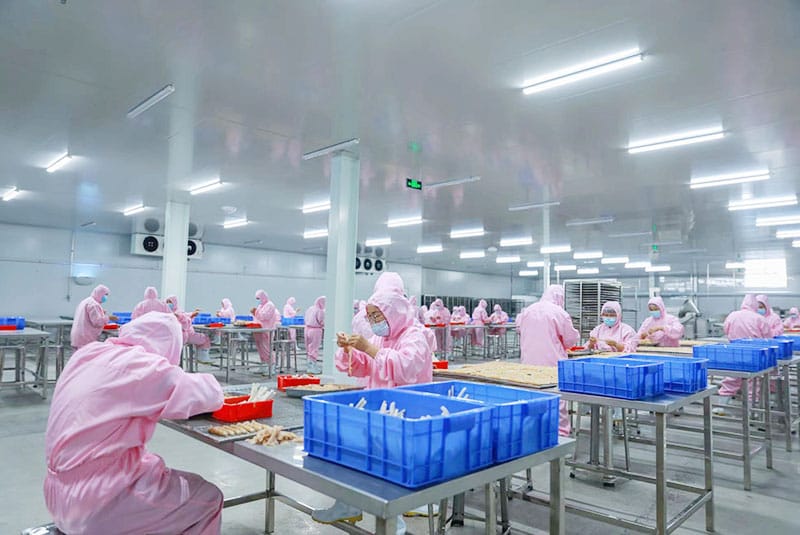
Quality control becomes much easier when acceptance criteria are established before production. In OEM vs ODM pet products, those criteria should reflect the actual category rather than a generic inspection checklist. Waiting until final inspection to decide what “good quality” means creates avoidable disputes.
The buyer should identify which characteristics are critical, major, and cosmetic for the product. The exact inspection method will differ by category. A packaging print defect is not evaluated in the same way as a food formulation issue, a leaking pouch, an incorrect cat litter material, or a toy construction problem.
For OEM vs ODM pet products, quality control should cover the approved product specification, packaging, artwork version, labeling, quantity, carton information, and any agreed testing documents. Where third-party testing or inspection is required, the scope should identify the exact SKU and the applicable standard or method.
PetProOEM describes its current process as requirement confirmation, sample making, quotation and production, inspection and packaging, followed by shipment. Buyers can use the service process as a starting point, then add product-specific checkpoints to the purchase agreement.
Compliance Responsibilities Depend on the Product and Destination Market
“Export ready” is not a universal compliance status. Compliance for OEM vs ODM pet products depends on the exact SKU, materials or ingredients, claims, and destination market. Requirements differ by product type and destination. Food and treats may involve ingredient, facility, labeling, nutritional, feed-safety, registration, or import requirements. Pet toys and non-food products may involve chemical restrictions, material documentation, product safety, labeling, and other rules depending on where they are sold.
For products entering the European Union, buyers should verify applicable chemical obligations through official resources such as the European Chemicals Agency’s REACH information where relevant. Requirements should be checked for the actual material and product, rather than copying a generic “EU compliant” statement from another SKU.
One of the most important questions in OEM vs ODM pet products is therefore: who is responsible for identifying the target-market requirements, obtaining the relevant documents, reviewing the label, and confirming the final product before import?
A responsible answer can involve both parties, but the responsibilities should be explicit.
How to Compare OEM and ODM Supplier Quotations Correctly
Two quotations cannot be meaningfully compared if they describe different projects. This is why OEM vs ODM pet products quotations should be normalized against one written brief before commercial comparison. One supplier may quote an existing formula with standard packaging, while another quotes a new formula, new artwork, additional testing, and a different packing configuration.
Before comparing quotations for OEM vs ODM pet products, normalize the scope. Use the same product description, specification, quantity assumptions, packaging requirements, documentation requirements, sample expectations, inspection scope, and delivery terms for each supplier.
Then compare what is included and excluded rather than focusing only on the final number. Important differences may include whether sampling is based on an existing product or new development, whether packaging is standard or custom, whether artwork support is included, whether testing is product-specific, and whether the quotation assumes a particular configuration.
This approach also makes future changes easier to manage. If the buyer later changes the formula, dimensions, packaging, or testing requirement, both sides can identify which part of the approved scope has changed.
When OEM Is Usually the Better Route
OEM is generally more appropriate when the buyer already has a well-defined technical requirement and needs the supplier to manufacture against it. Within OEM vs ODM pet products, the OEM route therefore makes most sense when the buyer genuinely controls more of the specification. This can include a buyer-owned formula direction, a physical reference, detailed product dimensions, a drawing, an established packaging standard, or specific acceptance criteria.
It is also useful when product differentiation depends on technical details that cannot be achieved through simple branding changes. However, OEM does not guarantee exclusivity, regulatory approval, or ownership unless those matters are specifically agreed.
For OEM vs ODM pet products, choose the OEM route because the project genuinely requires buyer-controlled specifications—not because “OEM” sounds more premium.
When ODM or Private Label Is Usually the Better Route
ODM can be efficient when the buyer wants to start from a product, formula, design direction, or production platform that the supplier already understands. Within OEM vs ODM pet products, this can reduce unnecessary development when an existing platform already fits the project. The buyer can then focus development effort on the changes that create commercial value: branding, packaging, selected ingredients or materials, assortment, color, size, or other feasible options.
Private label can be even more straightforward when the available product already fits the target positioning and only branding and packaging changes are required.
This approach can be useful for validating a category before investing in deeper development. But buyers still need specification control. An “existing product” should have a clear composition or material specification, package definition, sample approval, quality standard, and documentation package.
A Practical OEM vs ODM Pet Products RFQ Checklist
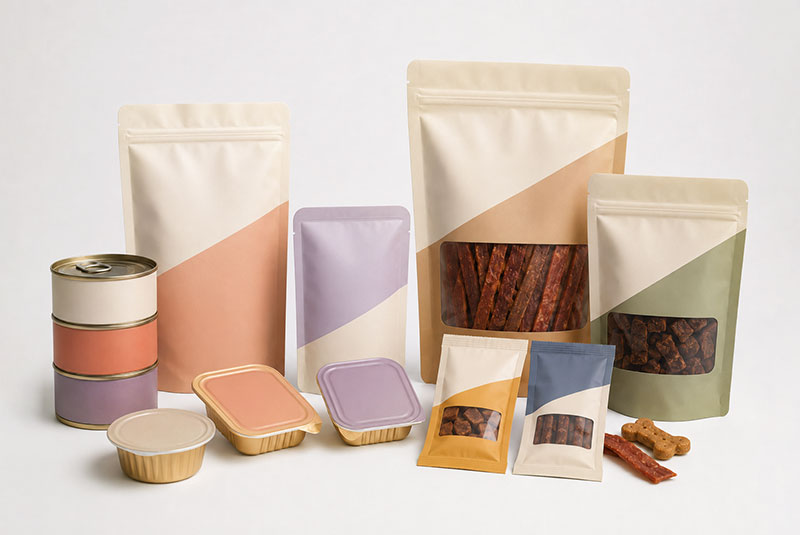
Before requesting a quotation, prepare enough information for the supplier to understand the project without guessing. A practical RFQ can include:
- Product category and reference product or concept.
- Target market and intended sales channel.
- Intended product role or use.
- Formula, ingredient, material, size, or construction requirements.
- Which specifications are mandatory and which are flexible.
- Primary packaging, retail packaging, and export carton requirements.
- Logo, artwork, language, barcode, and label requirements.
- Testing, inspection, or documentation requirements.
- Expected order quantity or forecast range for quotation planning.
- Required sample type and sample approval process.
- Any ownership or exclusivity requirements.
- Requested delivery terms and destination information.
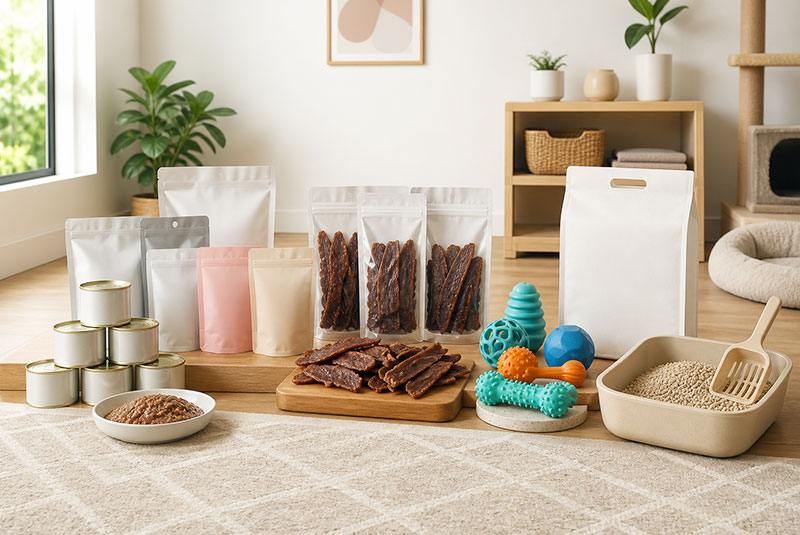
This checklist works whether the project ultimately becomes OEM, ODM, or private label. It also helps PetProOEM evaluate which route is realistic across its current core categories of wet cat food, cat litter, dog treats, and pet toys. Buyers can send a product brief to discuss the appropriate development path and required samples.
Conclusion
The most useful way to evaluate OEM vs ODM pet products is not to ask which acronym is “better.” Ask which parts of the product already exist, which details your brand must control, what the supplier is expected to develop, what evidence is required, and who owns each important project asset.
For wet cat food and dog treats, that means defining formula, product role, ingredient and label requirements. For cat litter, it means material and measurable performance criteria. For pet toys, it means material, construction, dimensions, intended use, and testing scope. Across all categories, the same principle applies: convert assumptions into written specifications before mass production.
If you are planning a new pet product line, review PetProOEM’s current product categories and submit your product brief with the target market, category, expected customization, packaging, and sample requirements.
FAQ
What is the main difference between OEM and ODM pet products?
OEM usually starts from a more buyer-defined specification, formula, drawing, sample, or technical brief, while ODM usually starts from a supplier-developed product or concept that can be selected or modified. Because suppliers may use the terms differently, the project scope should always be confirmed in writing.
Is private label the same as ODM?
Not necessarily. Private label describes selling a product under your own brand. It may use an existing product with only branding changes, or it may involve a wider ODM-style customization project. The actual product and development responsibilities matter more than the label.
Does OEM mean I automatically own the formula or design?
No. Ownership of formulas, designs, molds, drawings, artwork, tooling, reports, and other project assets should be stated in the contract or purchase agreement. The word OEM alone does not determine ownership.
Can one pet product supplier use both OEM and ODM models?
Yes. A supplier may offer existing products for private label or ODM projects while also evaluating buyer-defined OEM requirements. Feasibility depends on the specific product, process, customization, quantity, and technical requirements.
What should I send before asking for an OEM or ODM quotation?
Send the product category, target market, product concept or reference, required formula or material details, size or format, packaging, branding, expected quantity, testing requirements, and sample expectations. A clear brief makes supplier quotations more comparable and reduces assumptions.